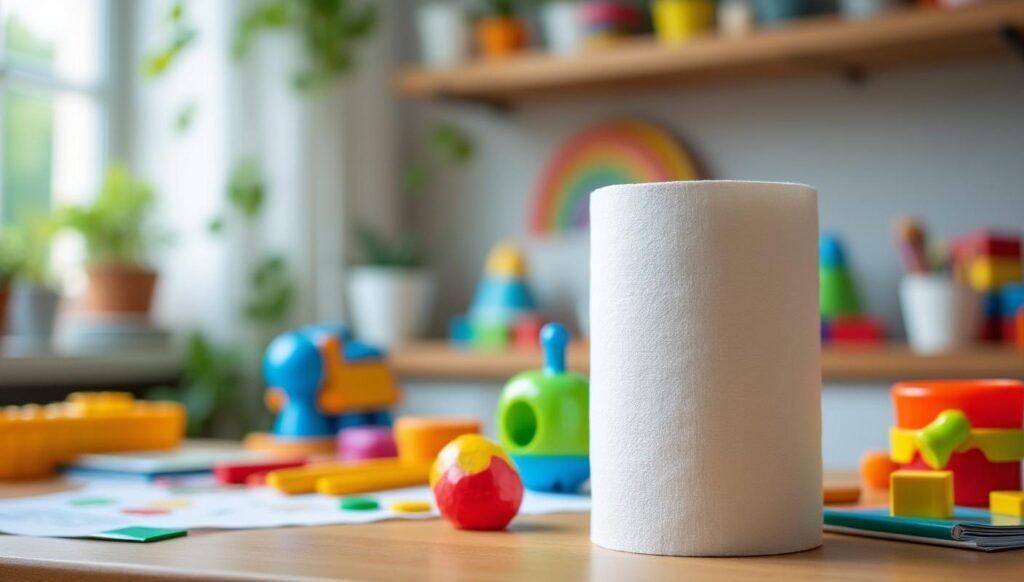
Many parents worry that a noisy, messy, or chaotic home environment may harm their children. Toys on the floor, dishes in the sink, and busy schedules often create the impression that chaos itself is the problem. However, experts increasingly emphasize that it is not disorder alone that affects children’s development.
What truly matters is something less visible but far more influential: the absence of structure, emotional consistency, and predictability in daily life.
Why children need predictability more than perfection
Children thrive in environments where they know what to expect. This does not mean a home must be perfectly organized or silent at all times. Rather, it means that daily life follows patterns that feel reliable and understandable.
When routines constantly change, rules are unclear, or responses from adults vary from one moment to the next, children may feel insecure. This sense of uncertainty can make it harder for them to focus, regulate emotions, and learn effectively.
Research suggests that predictable environments support healthy brain development, especially in areas responsible for emotional regulation and logical thinking. When children feel safe and grounded, they are better able to cope with challenges both at home and at school.
These conditions are also closely linked to social development: research shows that children who develop well socially often share a small set of common traits, including emotional awareness, consistency in communication, and the ability to regulate their responses in everyday interactions.
The hidden impact of inconsistent adult behavior
Experts point out that children are highly sensitive to emotional signals from adults. When parents respond calmly one day and react impulsively or emotionally the next, children may struggle to understand how to interpret situations.
This inconsistency can lead children to associate emotions with unpredictability. Over time, this may show up as anxiety, aggression, withdrawal, or difficulty managing frustration. Children learn emotional regulation not from words, but from observing how adults handle stress and conflict.
It is not occasional arguments or bad days that cause harm. Rather, it is the ongoing lack of emotional consistency that creates confusion and insecurity in young minds.
Structure as a source of emotional safety
Structure provides children with a sense of safety. Simple routines—such as regular meal times, bedtime rituals, or predictable morning schedules—help children feel anchored in their environment.
When children know what comes next, their mental energy is freed for learning, creativity, and social interaction. Even small routines, like cleaning up toys together or preparing breakfast at the same time each day, can make a meaningful difference.
Psychologists note that structure does not have to be complex to be effective. In fact, even simple environmental cues can improve children’s focus and behavior, helping them feel calmer and more regulated during everyday activities.
Experts also recommend involving children in establishing routines. This encourages responsibility and helps them feel included rather than controlled.
Stress in the home is felt by everyone
Chronic stress in adults does not stay hidden. Children often sense tension even when it is not openly discussed. A household marked by constant pressure, rushing, or emotional volatility can affect children’s well-being over time.
Creating moments of calm—such as reading together before bed, sharing quiet meals, or spending a few minutes talking without distractions—helps counterbalance daily stress. These moments do not need to be long or elaborate to be effective.
What matters most is the emotional tone of the home, not its level of activity.
Why clear communication matters
Open and respectful communication sets a powerful example for children. When adults explain expectations clearly and handle disagreements calmly, children learn that conflicts can be resolved without fear or aggression.
This foundation supports healthier relationships later in life. Children raised in emotionally stable environments are often better equipped to communicate, empathize, and manage stress as they grow older.
Small changes can make a big difference
Many families feel overwhelmed by the idea of changing their home environment. However, experts stress that improvement does not require drastic measures. Small, consistent changes are often enough to restore a sense of balance.
Remaining calm during challenging moments, setting clear expectations, and creating simple routines can significantly reduce stress for both children and adults. These changes also foster cooperation rather than resistance.
A final thought
It is not chaos itself that harms children. It is the lack of emotional consistency, structure, and predictability that can quietly undermine their sense of security.
By focusing on calm communication, reliable routines, and stable emotional responses, families can create an environment where children feel safe, supported, and ready to grow. Over time, these small adjustments can lead to lasting positive effects—for children and for the entire household.