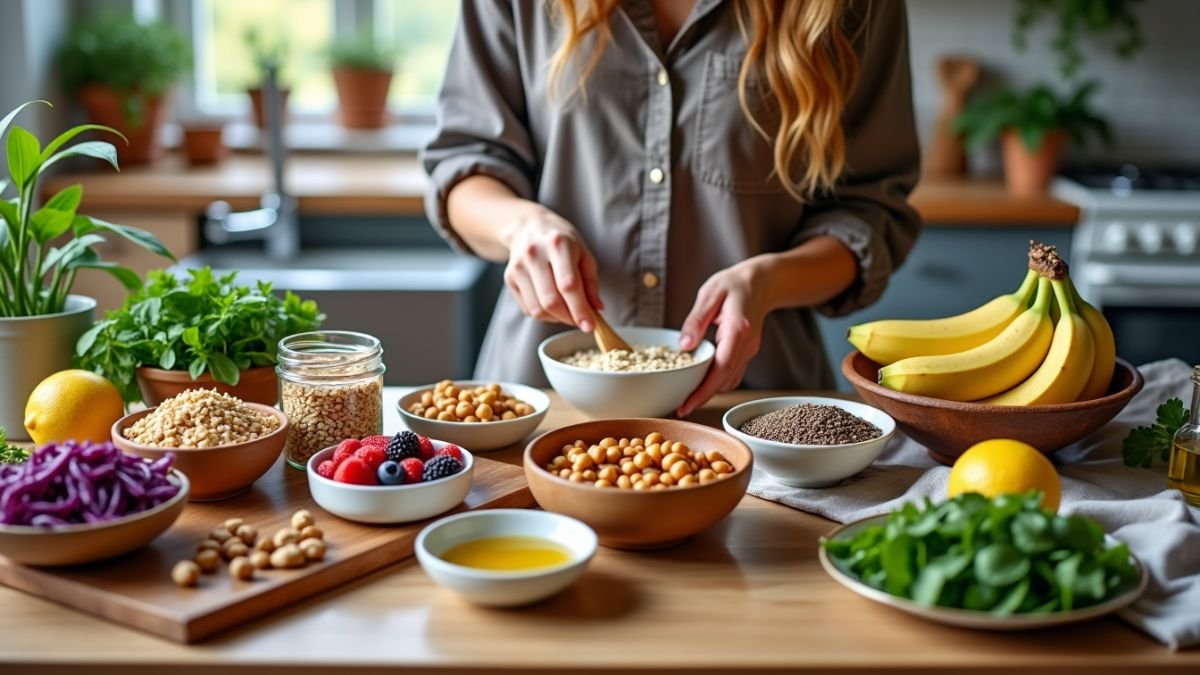
A healthy gut is crucial for overall well-being, and plant-based foods are increasingly recognized as powerful allies in promoting this balance. During the spring season, when digestion can be affected by temperature fluctuations and seasonal changes in diet, it is important to choose foods that naturally support our digestive system. Research indicates that specific plant-based foods not only improve gut function but also enhance mood and energy levels. This article highlights seven examples of these beneficial plant-based foods and provides practical tips on how to incorporate them into your daily life.
- Fermented Foods: The Natural Helper
Fermented foods such as kimchi, sauerkraut, and yogurt are not only rich in fiber but also contain beneficial bacteria that aid digestion. These products are the result of a natural process where microorganisms break down sugars, creating lactic acid and other compounds that help stabilize the gut microbiome. Including these fermented foods in your diet can significantly enhance the diversity of intestinal bacteria, which is essential for preventing digestive issues such as bloating and constipation.
In addition to their direct benefits, fermented foods have also been shown to support the immune system and even positively impact mood thanks to the production of neurotransmitters like serotonin. The fermentation process makes these nutrients more readily available to the body, contributing to better digestion without feeling weighed down by heavy fats or sugars. For those seeking a quick solution to improve their gut health in spring, adding fermented foods to salads or using them as a topping for sandwiches can be an effective step.
- Fiber-Rich Fruits and Vegetables
Fruits and vegetables are staples of any plant-based diet, but not all types provide equal benefits for the intestines. Fruits like apples and berries contain fiber that supports regular bowel movements, while vegetables rich in polyphenols such as broccoli and spinach help reduce inflammation in the gut. These nutrients contribute to a healthy intestinal lining, where nutrients can be optimally absorbed without irritating the digestive system.
It is important to note that not all fruits are created equal; for example, high sugar content in some fruits like bananas can lead to fluctuations in blood sugar and energy levels, which can negatively impact digestion. The ideal combination is to consume a variety of seasonal fruits and vegetables, such as those available in abundance during the spring, while also limiting less beneficial options.
- Legumes: Protein with Prebiotic Effect
Legumes—such as beans, lentils, and chickpeas—are some of the most overlooked plant-based foods that naturally support the gut. They are rich in protein and contain prebiotics, substances that feed good bacteria without being digested themselves by the body. This ensures a diverse and stable microbiome, which is crucial for preventing digestive issues such as diarrhea or nausea.
The fiber content of legumes also helps lower cholesterol levels and improves blood sugar control, contributing to an overall healthy gut. Furthermore, these foods have been shown to positively influence blood pressure without increasing calorie intake. It is important to prepare them properly: soaking and cooking legumes makes their nutrients more accessible to the body.
- Nuts and Seeds as a Nutrient Source
Nuts and seeds are not only valuable for providing healthy fats and proteins but also contain fiber, antioxidants, and other compounds that support digestive health. Almonds, pumpkin seeds, and flaxseeds are examples of these nutritious foods that can easily be added to salads or used as snacks.
The fiber in nuts helps keep the intestines moving, while their fatty acids reduce inflammation in the gut lining. It is advisable not to consume them excessively due to their high calorie content, but including them in moderation can greatly contribute to a balanced diet during the spring months when digestion may be challenged by seasonal changes and outdoor activities.
- Whole Grains: The Fiber Powerhouse
Whole grains such as brown rice, quinoa, and whole wheat are often overlooked but are essential for achieving optimal gut health. These foods contain not only fiber but also other nutrients that help support the intestinal wall. The fiber in whole grains regulates digestion and prevents constipation by providing bulk to stool.
It is important to avoid refined products like white bread or sugary snacks, which can lead to inflammation in the gut. By opting for whole grains as a base of your diet, you strengthen your digestive system without needing supplements, according to experts who recommend limiting processed foods.
- Ginger: Natural Digestive Helper
Ginger is not only known for its anti-inflammatory properties but also for its ability to aid digestion and alleviate nausea. The active ingredients in ginger stimulate the production of digestive enzymes that help break down proteins and fats more effectively, leading to less bloating and discomfort after meals.
Incorporating fresh ginger into your diet—whether through tea, salads, or as a spice during cooking—can be especially beneficial for those who experience digestive issues due to seasonal changes. Additionally, its anti-inflammatory effects contribute to an overall healthier gut environment without the need for additional supplements.
- Green Leafy Vegetables: The Nutrient Powerhouse
Green leafy vegetables such as spinach, kale, and collard greens are not only rich in vitamins A and C but also contain powerful antioxidants that help protect the intestinal lining from damage. These nutrients support the health of beneficial bacteria in the gut, enabling them to function optimally.
Including these vegetables in salads or as a side dish helps maintain the balance between good and bad bacteria. This is particularly important during the spring season when outdoor activities increase and digestive stress may rise due to changes in diet and temperature. It is advisable to consume them fresh and raw for maximum effect, without overloading on sauces that can neutralize their beneficial effects.
Practical Tips for Improving Gut Health
In addition to incorporating these plant-based foods into your diet, several practical steps can enhance the effectiveness of gut support. It is essential to drink plenty of water throughout the day, as dehydration is often a common cause of digestive problems. Additionally, maintaining a regular eating rhythm and avoiding excessive stress can help keep digestion on track.
It is also important to limit processed and high-fat foods that can disrupt the balance in your intestines. For those who want to take their gut health seriously without relying on supplements, there are many natural remedies like peppermint oil and apple cider vinegar that can provide additional support. Regular exercise rounds out this approach by stimulating digestion while strengthening overall health.
Common Mistakes and Solutions
One of the most common mistakes in promoting a healthy diet is consuming large amounts of refined sugars or saturated fats from sources such as candy, baked goods, or processed meats. These foods not only harm the gut but also lead to weight gain and increased risk of chronic diseases.
A simple solution is to replace snacks with natural alternatives like nuts and fruits. For instance, instead of reaching for a cookie, opting for an apple or almonds can make a significant difference in digestion and energy levels without sacrificing flavor or satisfaction. This adjustment aligns with the principles of a balanced plant-based diet that naturally supports gut health.
Seasonal Considerations in Spring
During spring, when temperatures fluctuate and outdoor activities increase, digestive systems are often put under additional pressure. This is why it is important to pay extra attention to what you eat during this season. By choosing foods that are not only fresh and seasonal but also align with the natural gut-friendly ingredients listed above, you can better protect your intestines.