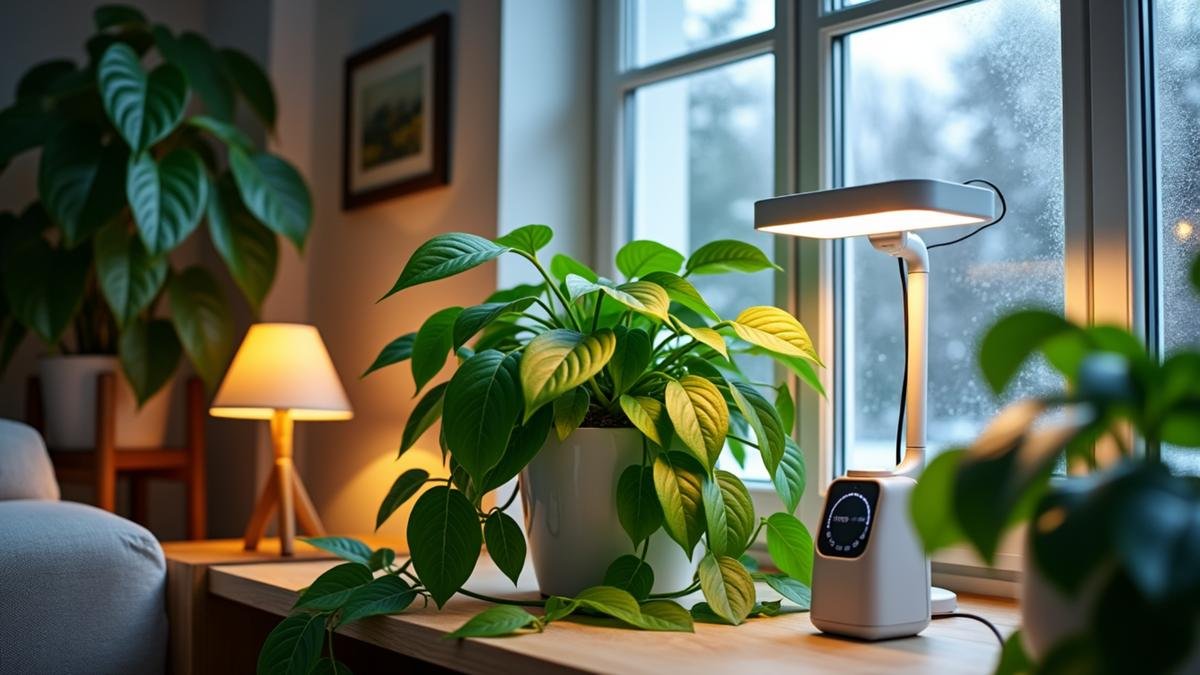
The Pothos plant has been a popular choice for years due to its ease of care and vibrant green leaves. However, many gardeners struggle with keeping the plant healthy throughout winter when temperatures drop and light decreases. It is not uncommon for the beautiful green foliage to turn yellow or fade prematurely in the cold months, which can be frustrating for even experienced plant enthusiasts.
Avoid Overwatering
Overwatering is one of the most common mistakes made when caring for a Pothos during the cold season. In winter, indoor plants require less moisture due to lower temperatures and reduced humidity. Insufficient air circulation and low light conditions lead to slower evaporation of excess water in the soil. This can cause roots to rot, resulting in yellowing leaves or even dropping.
Watering should be carefully adjusted according to the plant’s responses; it is advisable not to water until the top layer of soil feels dry to the touch. Skipping a few days between watering can make a big difference in preventing root problems and promoting healthy development. Additionally, using a well-draining potting soil helps prevent waterlogging.

Provide Adequate Light
Pothos thrives best in bright, indirect light. However, during winter, this can be challenging due to reduced daylight hours and lower sun angles. Even south-facing windows may not provide sufficient light for the plant’s needs when the days are shortest. The lack of light can cause leaves to become pale or thin, leading to a dull appearance.
For optimal care, consider placing your Pothos near an east- or west-facing window where it receives gentle morning and afternoon sun without direct heat from radiators or heaters. It is also possible to use specialized grow lights that mimic natural daylight. These not only help maintain color but also support plant growth, allowing new leaves to form quickly.
Maintain a Stable Temperature
A stable temperature between 65°F (18°C) and 75°F (24°C) is crucial for the health of your Pothos in winter. Avoid placing plants near heating or cooling vents, as this can cause sudden changes that stress the plant. Additionally, temperatures below 55°F (13°C) should be avoided; this increases the risk of leaf loss.
Create a constant temperature zone by keeping the indoor environment as stable as possible. This not only prevents damage to leaves but also enhances resistance to diseases and pests. It is advisable to keep plants at least two feet away from radiators to prevent excessive drying out in the air.

Use Humidifiers for Humidity
Pothos prefers a humid environment, typically above 50%. During winter, indoor air dries out rapidly due to low humidity and increased heating. This leads to dry leaves that drop quickly and can result in brown edges on remaining leaves. A good solution is to use a humidifier near the plant.
Humidifiers not only help maintain the optimal moisture level for plants but also support skin and respiratory health in humans. Regularly spraying the plant with water, especially during dry periods, also helps maintain humidity without unnecessary overload on the roots.
Prune Dead Leaves
Regular pruning is essential to keep your Pothos looking its best. In winter, dead or damaged leaves can create an unhealthy appearance that attracts pests and encourages disease. By carefully removing yellowed or brown parts, you not only enhance aesthetics but also promote healthy growth.
Pruning is best done with clean scissors to prevent infection. Prune no more than one-third of the plant at a time to avoid shock. This ensures that new leaves develop quickly without compromising the overall health of the plant. It is also important to provide the right nutrients for optimal recovery after pruning, such as balanced liquid fertilizers during active growth phases.

Winter Fertilization
Nutrition plays an important role in keeping your Pothos green throughout the winter. However, it is wise not to fertilize too frequently, especially when light levels are low. Excessive fertilizer can lead to excessive leaf growth without sufficient chlorophyll production, resulting in weak and pale leaves.
Experts recommend using a balanced, water-soluble fertilizer sparingly during the active growth phase of spring and summer. In winter, it is usually sufficient to fertilize every four weeks with half the recommended amount. This provides enough nutrients for basic maintenance while preventing overloading. Additionally, fertilizing can be skipped altogether if you notice the plant responds poorly.
Common Mistake: Not Adapting to Seasonal Changes
A common mistake many gardeners make with Pothos is not adjusting their care routine seasonally. The plant requires more attention in spring and summer when temperatures are higher and humidity increases, but less during winter months. This can lead to overwatering or neglect of light conditions.
It is crucial to monitor your plants regularly for signs of stress such as yellow leaves or droopy stems. Adjust the watering schedule, fertilization frequency, and lighting according to seasonal changes. With a little extra attention and knowledge, even in challenging winter conditions, you can keep your Pothos healthy and vibrant.