Sugar cravings are a common issue for many people trying to manage their weight. They are often linked not to a lack of discipline, but to unstable blood sugar levels and the way meals and snacks are structured throughout the day. Choosing the right snacks can help reduce the desire for sweets while supporting steady energy and appetite control.
Nutrition research consistently shows that snacks containing protein, healthy fats, and fiber help regulate hunger hormones and slow digestion. When eaten in reasonable portions—around one ounce (28 grams) or roughly 150 calories—these snacks can provide satiety without contributing to excess calorie intake.
Why Snacking Influences Sugar Cravings
For many people, long gaps between meals and reliance on packaged convenience foods can lead to sharp swings in blood sugar. Snacks high in refined carbohydrates or added sugars cause rapid spikes in insulin, often followed by an energy crash. This cycle increases hunger and intensifies cravings for sweet foods later in the day.
Balanced snacks help interrupt this pattern. Foods that digest more slowly keep blood sugar levels more stable, which supports consistent energy and reduces the urge to reach for sugary treats.
The Role of Protein, Fat, and Fiber
Snacks that combine protein, healthy fats, and fiber are especially effective for managing cravings. These nutrients slow digestion and help prevent sudden changes in blood sugar.
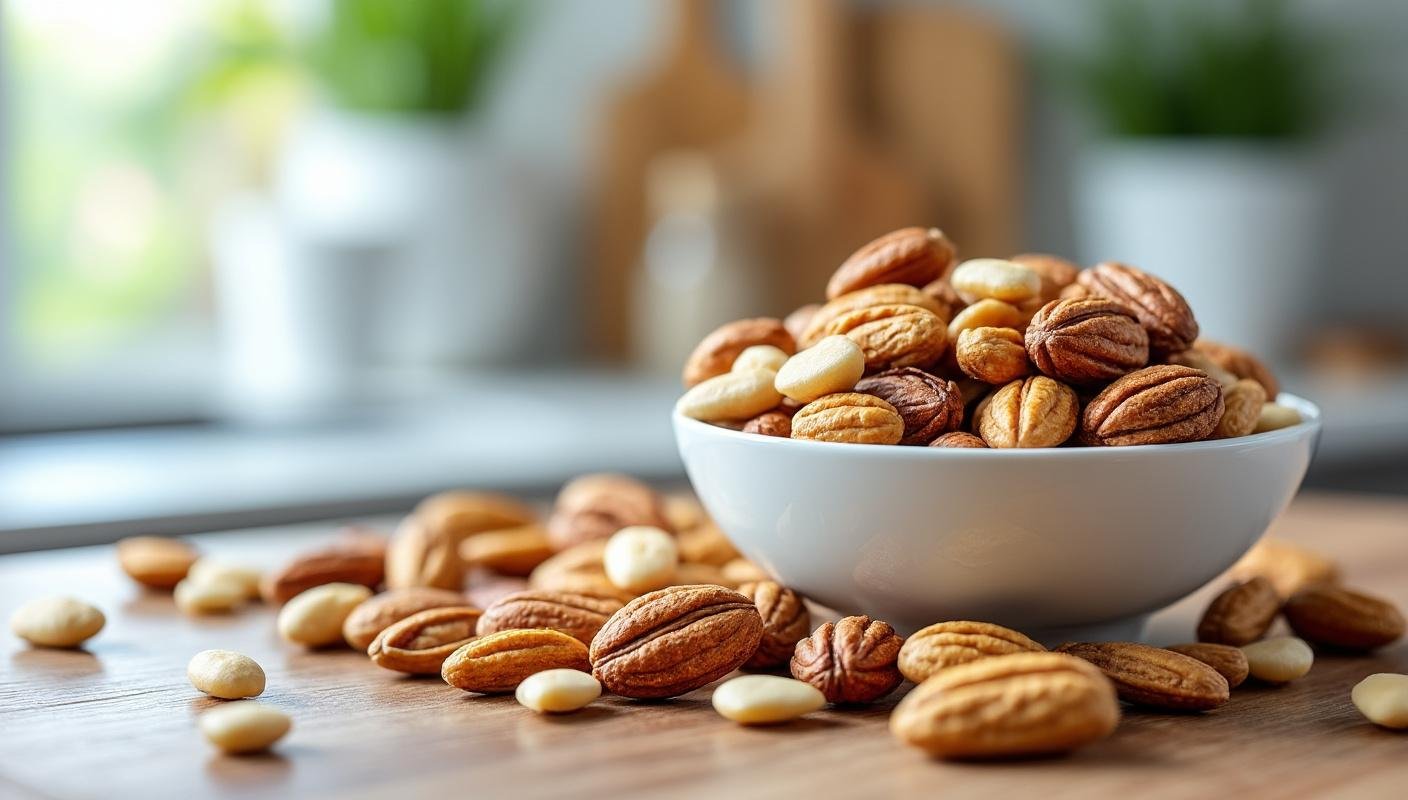
Nuts are a common example. A small handful provides healthy fats along with protein and fiber, helping you feel full for longer. This balance supports appetite control and makes it easier to avoid frequent snacking.
When hunger is better regulated, overall calorie intake often decreases naturally. This makes weight loss more sustainable without constant restriction.
How Fat and Protein Support Appetite Control
Healthy fats play an important role in regulating hunger signals. Foods such as nuts, seeds, and avocados help reduce hunger hormones while supporting signals of fullness. This hormonal balance can noticeably reduce cravings for sweets and refined carbohydrates.
Protein works in a similar way. Snacks like Greek yogurt, hummus with vegetables, or eggs provide lasting satiety and help prevent overeating later in the day. Protein-rich snacks may also help manage stress-related cravings, which are often tied to elevated cortisol levels.
Portion size still matters. Even nutritious snacks are most effective when kept moderate, rather than eaten in large quantities.
Practical Snack Ideas That Help Reduce Cravings
Many commonly available snacks fit well into this balanced approach:
– **Apple slices with nut butter**
The fiber in apples slows digestion, while healthy fats help stabilize blood sugar.
– **Greek yogurt with berries and a small amount of granola**
Yogurt provides protein, fruit adds natural sweetness, and a modest sprinkle of granola adds texture and fiber when chosen with minimal added sugar.
– **Cut vegetables with hummus**
This combination offers fiber, protein, and healthy fats without excess sugar.
– **Hard-boiled eggs**
A simple, protein-rich option that helps control hunger for several hours.
– **Small portions of cheese**
Cheese provides fat and protein, which promote fullness when eaten in moderation.
Foods That Naturally Help Regulate Hunger
Beyond individual snacks, certain food combinations support more stable blood sugar levels throughout the day. Fiber-rich foods such as whole-grain crackers paired with avocado slow digestion and help prevent insulin spikes.
Vegetables like carrots or cucumber slices with guacamole also work well. Their high water content, combined with healthy fats, promotes fullness without excessive calories.
Meals and snacks that emphasize plant-based ingredients—such as beans, vegetables, and whole grains—tend to provide carbohydrates alongside fiber, protein, and fat. This balance helps reduce energy fluctuations and limits cravings for sugary foods later in the day.
Conclusion
Reducing sugar cravings does not require eliminating snacks altogether. By choosing foods rich in protein, healthy fats, and fiber—and by paying attention to portion sizes—it is possible to support stable blood sugar levels and promote weight loss.
Thoughtful snacking makes it easier to maintain balanced eating habits and reduces reliance on sugary, highly processed foods that often lead to cravings and overeating.