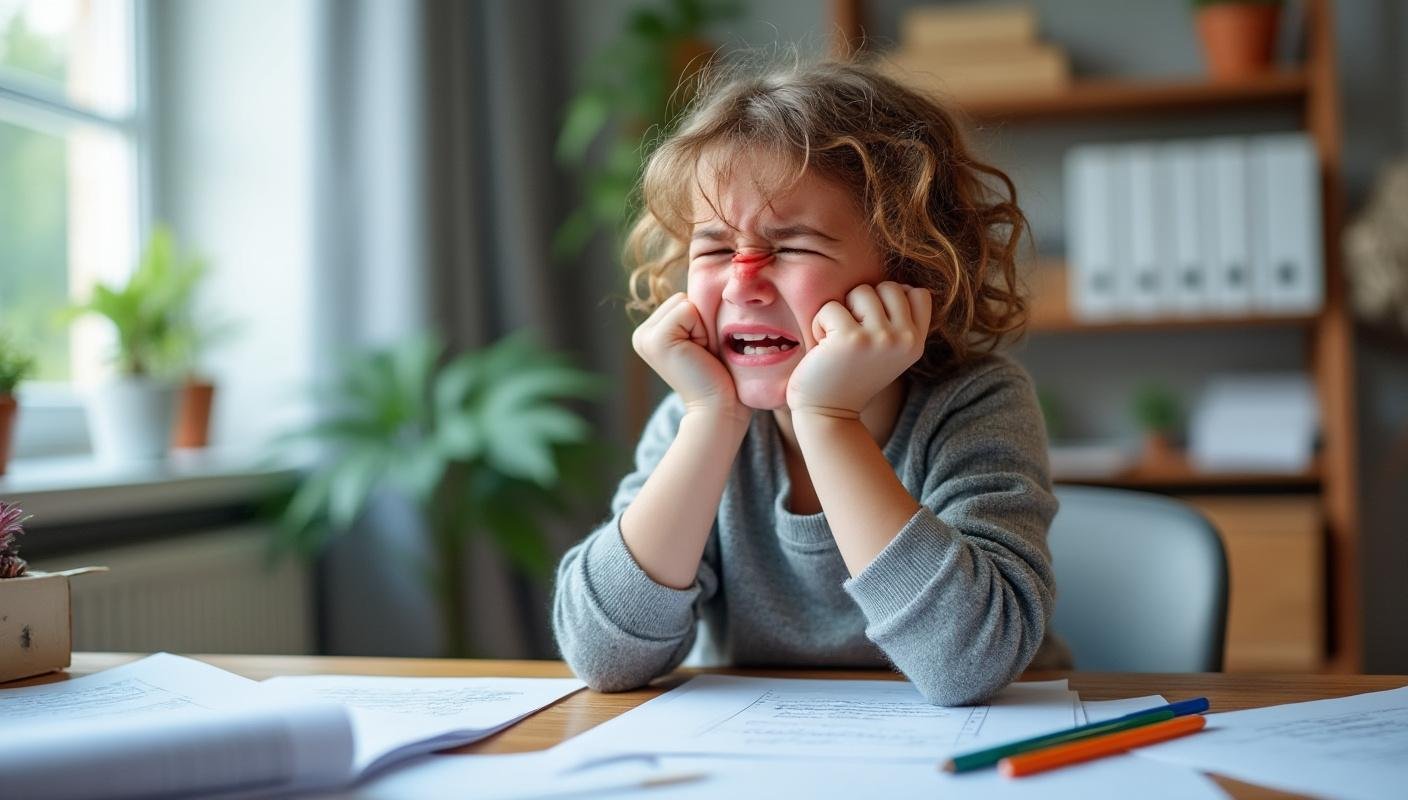
When tantrums continue beyond the age of six, they are rarely just a phase or an attempt to seek attention. In most cases, these emotional outbursts signal that something deeper is happening. Children at this age are still developing emotional regulation, and difficulties in this area can show up through frequent frustration, anger, or loss of control.
Parents and caregivers play an important role in helping children understand and manage these emotions. By paying attention to certain warning signs—emotional, behavioral, and even physical—it becomes possible to intervene early and support healthier emotional development.
Emotional Signals That Should Not Be Ignored
Children who struggle with tantrums after age six often display emotions that feel unusually intense for their developmental stage. Raised voices, sudden anger, or aggressive reactions may indicate that the child is overwhelmed rather than misbehaving on purpose.
These reactions are often linked to difficulties with emotional regulation. Children may not yet have the tools to express disappointment, fear, or frustration in words, so emotions come out through behavior instead.
Physical Symptoms as Emotional Clues
Emotional stress does not always stay emotional. Headaches, stomachaches, or general physical discomfort can be signs that a child is under pressure. These symptoms may appear before or after tantrums and are sometimes connected to stressors such as school difficulties, social conflicts, or bullying.
Paying attention to these physical signals helps parents better understand what their child may be experiencing internally and respond with support rather than punishment.
Loss of Control and Its Impact
Many tantrums are triggered by a perceived loss of control. Situations involving homework, friendships, rules, or daily responsibilities can make children feel powerless. When they do not know how to cope with that feeling, frustration may escalate into an emotional outburst.
Creating an environment where children feel safe expressing their emotions is essential. When children know they can talk without fear of immediate consequences, they are more likely to learn healthier ways to manage difficult feelings.
The Influence of Social Environment
A child’s social world plays a major role in emotional well-being. Peer pressure, conflicts with friends, or feeling excluded can create emotional strain that shows up as tantrums at home.
Support from parents, teachers, and other caregivers helps children feel less alone in these experiences. In some cases, involving educators or mental health professionals can provide additional insight and guidance.
Teaching Emotional Regulation Skills
Helping children develop emotional regulation is one of the most effective ways to reduce tantrums. Simple techniques such as deep breathing, taking a short break, or talking about feelings can make a meaningful difference – and even a small change to the child’s environment can reduce distractions and impulsive reactions.
Some children also benefit from structured activities like drawing, writing about emotions, or practicing mindfulness exercises. These tools help children pause and respond rather than react impulsively.
The Role of Positive Reinforcement
Positive reinforcement encourages emotional growth. When a child manages frustration without a tantrum, acknowledging this effort reinforces healthier behavior. Praise, encouragement, or small rewards help children understand that emotional self-control is valued.
Consistency is key. Over time, positive reinforcement helps build more stable behavioral patterns and strengthens emotional confidence.
Communication as a Foundation for Change
Open and respectful communication between parents and children is essential. When children feel heard and understood, they are more likely to share their fears, worries, and frustrations before emotions escalate.
Listening without immediate judgment or correction strengthens trust and helps prevent future outbursts. A strong parent-child relationship is one of the most effective tools for emotional development.
Creating a Calm Space for Recovery
After a tantrum, children need time and space to calm down. It’s not mess that harms children—it’s the lack of predictability and emotional consistency. A supportive environment—rather than punishment—helps children understand that emotions are normal, even when behavior needs guidance.
This approach teaches children how to recover from emotional overload and builds resilience that benefits them well beyond childhood.
Small Daily Adjustments With Big Impact
Simple changes to daily routines can significantly reduce tantrum frequency. Regular meals, adequate sleep, and predictable schedules help stabilize mood and emotional responses.
These small adjustments often strengthen a child’s emotional foundation without requiring drastic interventions.
Conclusion
Tantrums after age six are usually a signal, not a problem in themselves. By recognizing emotional and physical warning signs, supporting communication, and making thoughtful adjustments, parents can help their child develop stronger emotional regulation skills.
With patience, understanding, and consistent support, many children learn to manage their emotions more effectively and build healthier behavioral patterns that last into later life.